Animal Husbandry
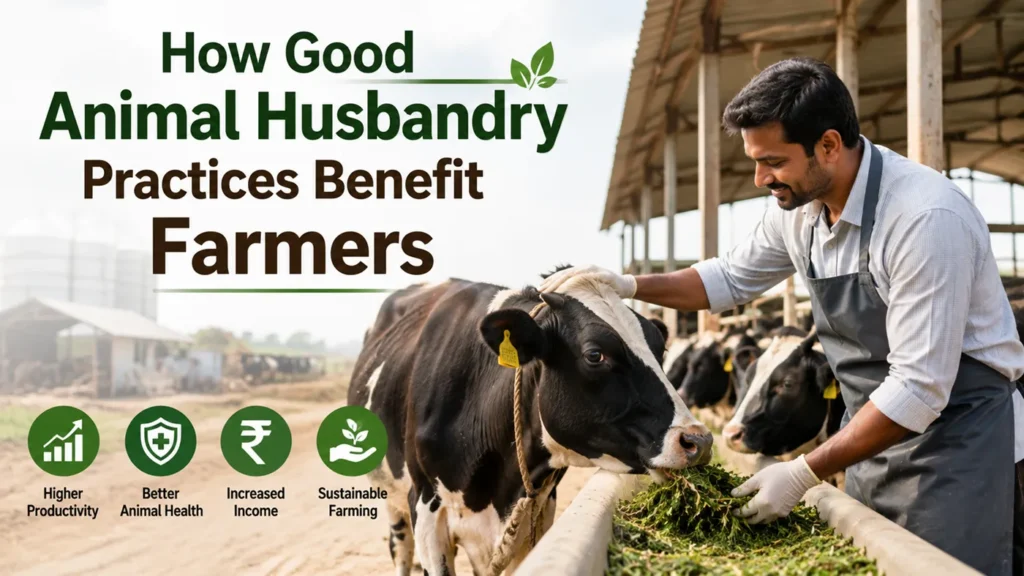
In modern agriculture, animal husbandry is far more than simply raising livestock; it is an important source of income, employment, and livelihood for farmers. It involves the scientific management of animals through proper breeding, feeding, housing, and healthcare to improve their health and productivity. For many farmers, livestock can generate a steady income alongside crop cultivation, making farmers more diverse and financially resilient.
When livestock are well fed, healthy, and properly managed, farmers can achieve better productivity while also reducing losses and expenses. To improve milk and meat production and maintain healthier breeds, the right practices are needed to be implemented to directly influence a farmer’s return.
This article studies how good animal husbandry practices benefit farmers in India, why they matter in everyday agricultural life, and how their effective implementation may contribute to more productive and sustainable farming.
What Are Good Animal Husbandry Practices In India?
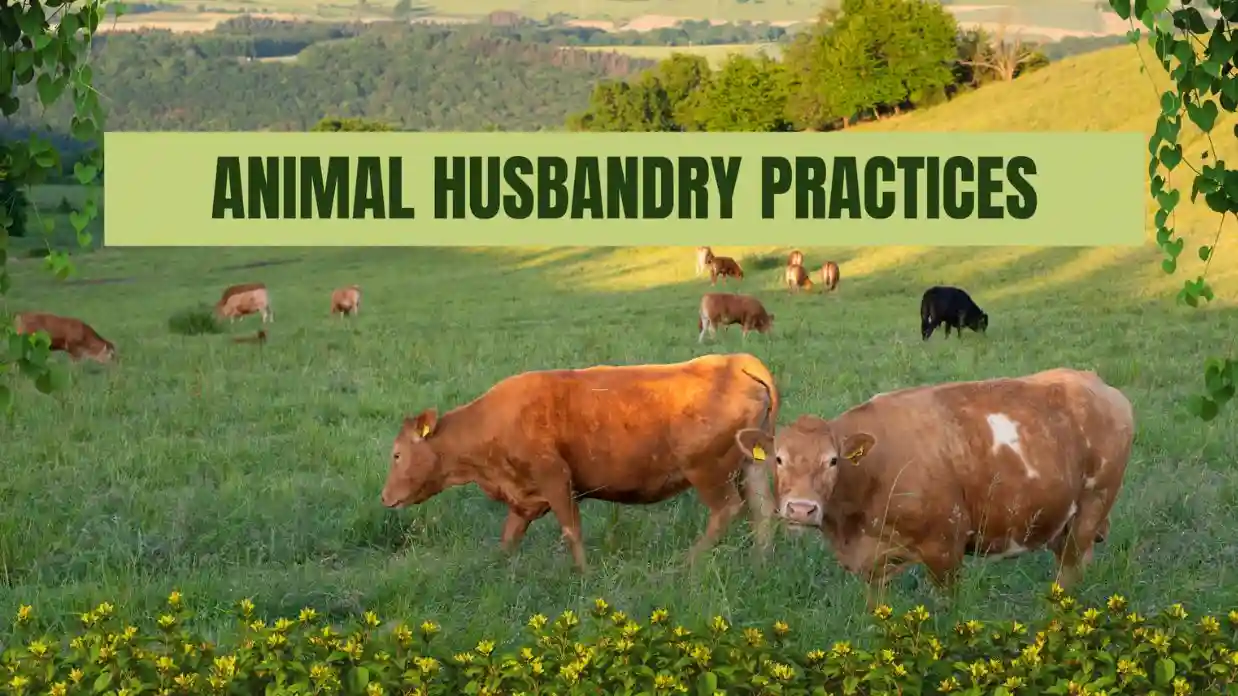
Good animal husbandry practices consist of creating the right conditions for animals to remain healthy, comfortable, and productive. After all, a well cared for animal is more likely to perform better. This is a simple animal husbandry formula that farmers know and invest in to improve the productivity, health, and wellness of both their animals and their income.
From proper nutrition and clean drinking water to timely veterinary care and hygienic living conditions, every aspect of livestock management plays an important role. Adequate shelter protects animals from severe weather, and regular health check-ups help identify and control diseases before they become serious and spread. Planned breeding practices help in maintaining healthier, more productive livestock.
Benefits of good animal husbandry practices
Increased Productivity and Profits
Healthy animals are naturally more productive animals. As livestock receive proper nutrition, consistent healthcare, and appropriate living conditions, they are more likely to deliver better profits and returns. For farmers, this can mean higher milk and meat production, stronger offspring, and better returns. For Example:
- Balanced and nutritious diet: farmers should provide animals with sufficient nutrients to support their growth, health, and productivity.
- Scheduled veterinary check-ups: timely health examinations can help detect diseases early, reducing the risk of illness and unexpected livestock losses due to diseases.
- Proper breeding practices: planned and accountable breeding can help farmers maintain healthier and more productive livestock.
When these practices are followed consistently, farmers can improve livestock productivity, cut unnecessary expenses, and minimize losses, making animal husbandry a more profitable part of the farming system.
Lower risks of disease outbreak
A disease outbreak can quickly become a costly disaster for livestock farmers. That is why preventing illness is as crucial as boosting productivity. Regular vaccinations, timely vet visits, and good hygiene keep diseases away. Clean shelters, safe water, and smart waste management all help create a healthier environment. If farmers focus on prevention, they can save money, protect their animals, ensure their safety, and also support their livelihood easily.
In this way, good animal husbandry practices do more than just keep livestock healthy.
Logical Improvements in Animal Products
The quality of animal products is closely linked to the health, nutrition, and care provided to livestock. Good animal husbandry practices can help farmers produce healthier and higher quality milk, meat and eggs, while maintaining better standards of hygiene and safety.
Some key outcomes include:
- Fresh and hygienic milk: proper feeding, clean housing and good milking practices can support maintaining milk quality.
- Better quality meat: healthy, well-nourished animals may contribute to better quality meat production.
- Nutritious eggs: balanced nutrition and proper care support the health and productivity of poultry.
Higher quality animal products can create better market opportunities for farmers, because when products meet desirable quality and hygiene standards, they may attract stronger end-user demand and potentially improve returns.
Better Resource Management
Good animal husbandry involves using land, feed, water and other farm resources efficiently. Effective resource management can reduce wastage while making livestock farming increasingly sustainable.
For instance, uncontrolled grazing can contribute to overgrazing and soil degradation. Planned or rotational grazing allows grazing areas time to recover while making sure that livestock have access to sufficient fodder. Similarly, properly managed animal waste and manure can be used as organic fertilizer, returning valuable resources and nutrients back to the soil and improving its fertility.
Improved Animal Welfare
Providing livestock with adequate shelter, balanced nutrition, clean surroundings, and humane treatment helps protect their health while supporting better productivity.
As consumers become more conscious of ethical and humane farming practices, farmers who prioritize animal welfare can build greater consumer trust and access better market opportunities. In the longer run, looking after livestock benefits both the livestock and the farmers.
Sustainability and Environmental-related Benefits
Good animal husbandry can make livestock farming increasingly sustainable while also reducing its pressure on the environment. Practices such as rotational grazing can help to prevent overgrazing and protect soil health, while efficient waste management allows animal manure to be reused as a natural fertilizer. Better usage of water can further help conserve valuable resources.
How Animal Husbandry Practices Benefit Farmers Economically?
Cost Saving Benefits
Good animal husbandry can help farmers control expenses while improving livestock productivity. Taking preventive measures such as balanced nutrition, timely vaccinations, and health checks can reduce the need for expensive treatments and minimize disease-related deaths of animals. In addition, using animal manure as organic fertilizer can reduce dependence on chemical fertilizers and lower input costs in crop production.
Diversified Income Sources
Animal husbandry also gives farmers an opportunity to diversify their income sources instead of depending entirely on crop cultivation. Depending on their resources and farming model, farmers can earn through:
- Poultry farming: sale of eggs and poultry products can provide regular income.
- Dairy farming: milk and other dairy products can create a steady source of income.
- Livestock breeding: healthy young animals can be raised and sold to other farmers for breeding and production.
This diversification approach can provide farmers with stronger financial stability, particularly when crop yields or market conditions are uncertain.
Seizing market advantages
Good animal husbandry can also help farmers produce healthier, higher-quality livestock and animal products, allowing them to respond to varying consumer demand and access better market opportunities.
Social and Community Benefits
Practicing good animal husbandry not only allows individuals to gain advantages but also improves the welfare of the farming community. Children have food security with healthy livestock, ensuring stable dairy, meat and egg supply.
Also read: What is Cattle Farming? Meaning, Types, Benefits and Challenges
Challenging other farmers to practice better methods encourages more responsible farming that benefits the entire region.
How Can Animal Husbandry Be Helpful For Farmers Even Under The Most Extreme Conditions?
Adapting to Climate Change
Climate change is making farming increasingly vulnerable to droughts, heatwaves, irregular rainfall and other extreme weather conditions. Good animal husbandry practices can help farmers prepare their animals to cope with some of these problems.
Proper water management can ensure that animals have adequate access to clean drinking water during dry spells. Well-designed shelters can provide protection from extreme heat, cold, heavy rainfall and other harsh weather conditions. Proper nutrition and timely veterinary care can further help maintain animal health during stressful climatic conditions.
These measures protect livestock and also safeguard an important source of income for farming households, helping farmers remain strong and resilient when agricultural conditions become uncertain.
Improved Financial Flexibility
Animal husbandry can also provide farmers with a safety net, as when crop farming faces difficulties, relying on livestock income alongside crop production can reduce dependence on a sole source of revenue.
Problems Facing The Adoption Of Good Animal Husbandry Techniques
Despite the many benefits of good animal husbandry, putting these practices into action can be challenging for farmers, particularly those functioning with limited resources. Lack of access to reliable information, veterinary services, quality feed, and financial support might make it difficult to adopt improved livestock management methods.
Government programs, NGOs, and farm advisors bring a real change. The government offers hands-on training, expert advice, affordable tools, and financial support, which can help farmers address and deal with the emerging challenges of animal keeping and adopt better livestock practices.
FAQs about Animal Husbandry
Good animal husbandry is about raising healthier animals, about building stronger, sustainable livelihoods for farmers. From improving productivity and reducing disease-related losses to diversifying income and conserving valuable resources, its benefits span across the entire farming system. When livestock receive the right nutrition, healthcare, shelter and humane treatment, both animals and farmers stand to gain. However, for these practices to reach their full potential, farmers also need access to knowledge, affordable resources and appropriate support.
In the end, investing in good animal husbandry is crucial if the farmer’s goal is to achieve success in the field of animal keeping practices. Investing in the future of farming, one that supports farmer incomes, strengthens food security, cares for animals, and protects the environment for generations.