Arable Farming
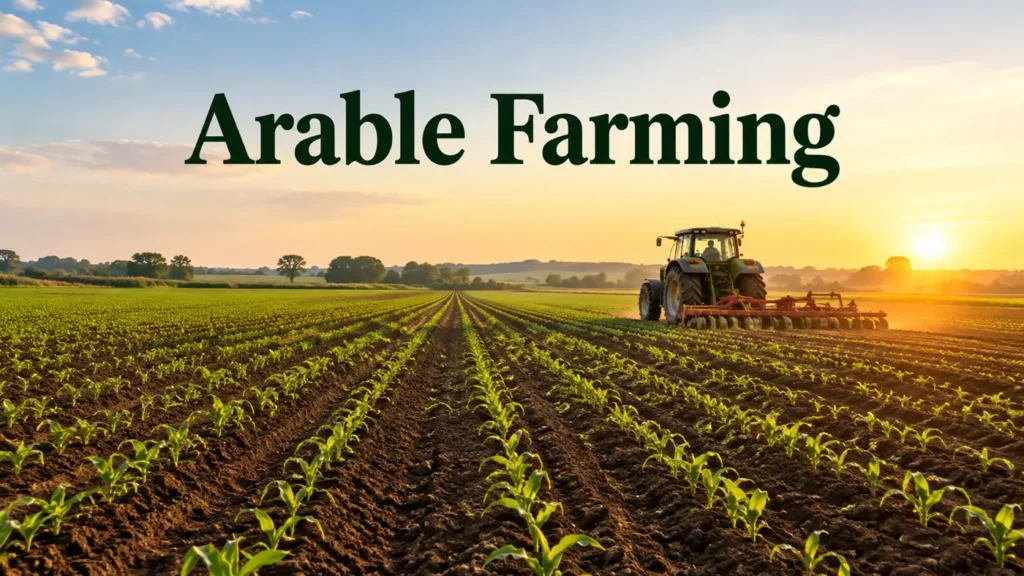
Arable farming is one of the most important forms of agriculture, focusing primarily on the cultivation of crops on land suitable for regular tillage. Farmers use arable land to grow crops such as cereals, pulses, oilseeds, vegetables, and other field crops. Unlike livestock farming, where animals are the central part of production, arable farming mainly depends on preparing the soil, sowing crops, managing their growth and harvesting them.
With growing food requirements and increasing pressure on agricultural land, efficient arable farming practices have grown increasingly important. Modern techniques such as crop rotation, improved irrigation, precision agriculture and responsible fertilizer use can help farmers manage resources far more efficiently as they maintain soil productivity.
What is Arable Farming?
Arable farming refers to the agricultural practice of growing crops on land that can be cultivated and tilled. The word “arable” generally refers to land that is suitable for growing crops.
Depending on the region, climate and soil conditions, arable farms may produce wheat, rice, maize, barley, pulses, oilseeds, cotton, sugar beet, potatoes and several other crops. Some farmers specialize in a particular crop, while others use crop rotation to grow different crops across seasons.
The productivity of arable farming depends on different factors, including soil fertility, rainfall, temperature, water availability, seed quality, farm management and pest and disease control.
Types of Arable Farming
Arable farming can take different forms depending on the crops grown, farming methods and environmental conditions.
1. Cereal Farming
Cereal farming involves growing crops such as wheat, rice, maize, barley, oats and sorghum. Cereals are important sources of food, animal feed and industrial raw materials. In India, rice and wheat are among the major cereal crops, while maize and sorghum are further cultivated in different regions.
2. Pulse Farming
Pulse farming focuses on crops such as chickpeas, pigeon peas, lentils, black gram, and green gram. Pulses are important sources of plant-based protein. Many pulses are also legumes that can help soil fertility through their association with nitrogen-fixing bacteria.
3. Oilseed Farming
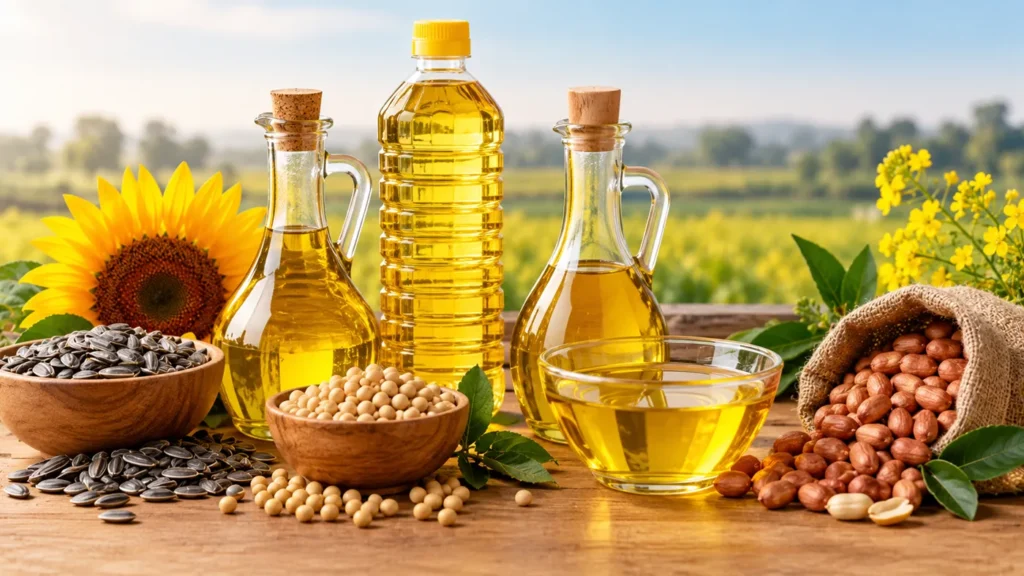
Oilseed crops are cultivated primarily for their seeds and the oils extracted from them. Important examples include mustard, soybean, sunflower, groundnut and sesame. Oilseeds have applications in cooking, food processing, and several industries.
4. Mixed Arable Farming
Rather than depending on a single crop, certain farms grow a variety of crops. As a result, there can be greater diversification and the production risks may be distributed among different crops and seasons.
5. Organic Arable Farming
Organic arable farming uses farming practices that comply with organic production standards. Depending on the applicable certification system, these may include restrictions on certain synthetic inputs and greater emphasis on practices such as crop rotation, organic manures and biological approaches to pest management.
Importance of Arable Farming
Arable farming plays a major role in food production and rural economies. Crops produced through arable agriculture provide food for people as well as raw materials for livestock feed, textiles, bio-based products and food-processing industries.
The sector also supports employment and livelihoods across the agricultural supply chain. Farmers, agricultural workers, transporters, storage operators, processors and traders can all be connected to crop production.
In countries such as India, where agriculture remains closely linked with rural livelihoods, efficient crop cultivation is notably important. Improving farm productivity while protecting soil, water and biodiversity can help make agricultural systems more resilient over time.
Benefits of Arable Farming
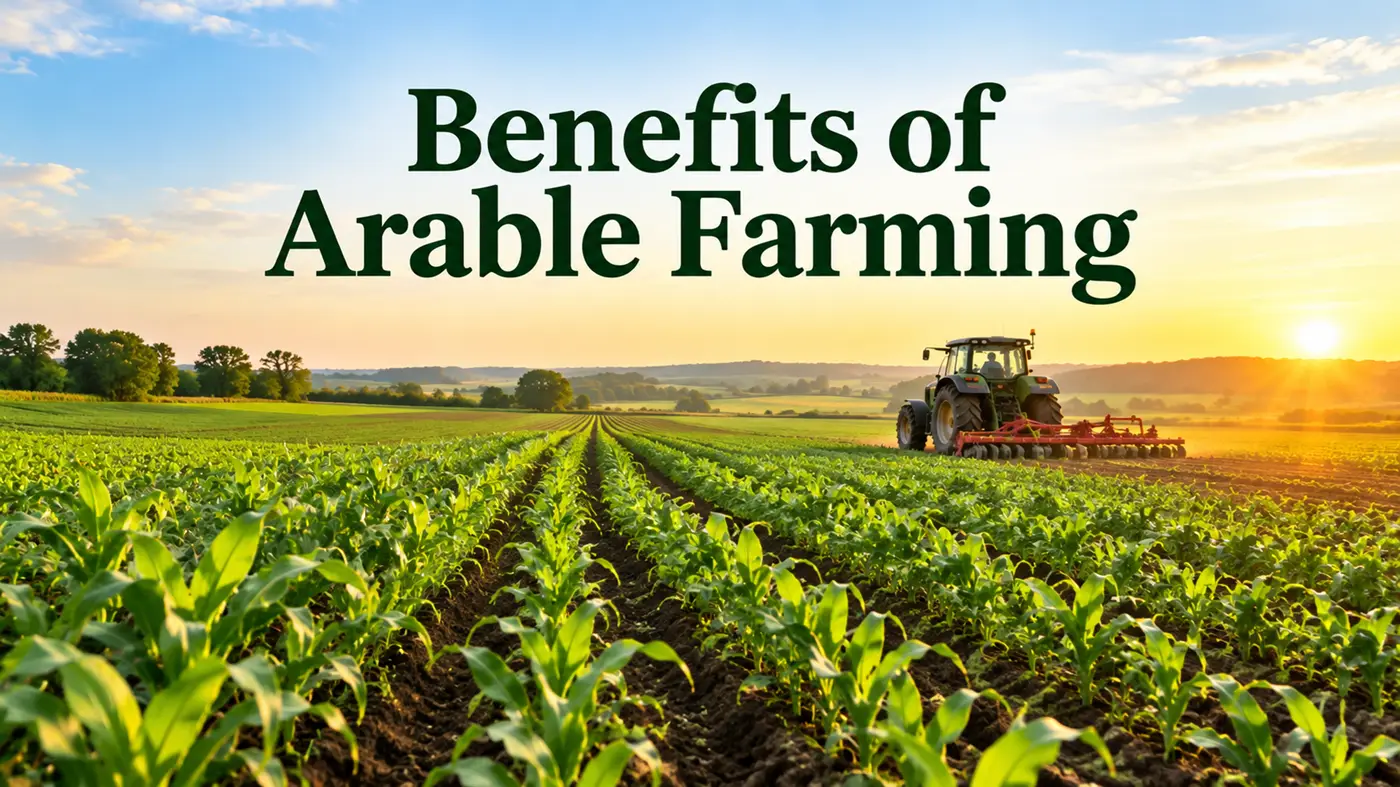
One of the major advantages of arable farming is its ability to produce substantial quantities of crops from cultivated land. Mechanization can also make activities such as sowing, harvesting, and land preparation more efficient, particularly on larger farms.
Crop diversification can provide farmers with multiple sources of agricultural output. Growing different crops can also help farmers manage certain production risks, although diversification does not eliminate risks caused by droughts, floods, pests, diseases, or market variability.
A further important benefit is the possibility of crop rotation. When crops that have different nutrient needs and biological properties are rotated, this can help with soil management and might lessen the accumulation of some pests and diseases.
Challenges in Arable Farming
Although it is important, arable farming faces several challenges.
- Climate variability can affect crop growth through changes in rainfall, temperature, and the rate of extreme weather events. Droughts and floods can cause significant production losses.
- Soil degradation is another concern. Excessive tillage, erosion, nutrient depletion, and poor soil management can reduce soil quality over time.
- Water availability is also critical, especially in areas where farming depends heavily on irrigation. Optimal water management is therefore important for maintaining farming productivity.
- Farmers also have to contend with pests and diseases, since these can damage crops and lead to a decrease in both yield and quality. By using integrated pest management, farmers are able to combine preventive, biological, cultural, and chemical methods where it is appropriate.
- Finally, market swings can affect farm income. Changes in crop prices, input costs, storage expenses and demand can influence the profitability of crop cultivation.
Eco-friendly Practices in Arable Farming
Sustainable arable farming aims at keeping agricultural production going while reducing the unnecessary strain on natural resources, and farmers may implement measures such as crop rotation, conservation tillage, soil testing, efficient irrigation, and integrated pest management.
Cover crops are also of use in appropriate farming systems since they can protect the soil between the main crops and add organic matter. Fertilisers can be used in accordance with soil and crop needs in order to prevent the unnecessary application of nutrients.
Precision agriculture is another developing approach. Technologies such as GPS-guided machinery, sensors, satellite imagery, and farm-management software can help farmers make more targeted decisions about irrigation, fertilization, and crop management.
Arable Farming in India
India has a wide variety of agricultural conditions, which enable farmers to cultivate a broad range of arable crops. Crops such as wheat, rice, maize, pulses, oilseeds, cotton, and a number of others are grown in different states and agro-climatic areas.
Because rainfall, access to irrigation, soil conditions, and the size of farms vary widely in India, there is no single arable farming method that can be used in all areas. As a result, the choice of crops and farm management must be adjusted to the local conditions.
Government programs, agricultural research institutions, improved seeds, irrigation development, and digital farming technologies are also assisting in changes in Indian crop production.
Future of Arable Farming
The future of arable farming is likely to involve a combination of traditional agricultural knowledge and modern technology. Better soil monitoring, precision equipment, improved crop varieties, efficient irrigation, and data-based farm management can help farmers make more well-informed decisions.
At the same time, technology alone cannot address every agricultural challenge. Long-term soil health, responsible water use, biodiversity, and farmers’ economic conditions also need consideration.
As demand for food and agricultural products continues, the focus will increasingly be on producing crops efficiently while protecting the resources on which farming depends.
FAQs about Arable Farming
Arable farming is a fundamental part of agriculture, centered on the cultivation of crops on suitable agricultural land. From cereals and pulses to oilseeds and vegetables, arable crops contribute to food supplies, industries and rural livelihoods.
However, successful arable farming requires more than simply cultivating land. Soil health, water management, crop diversity, climate conditions, pest control and trade conditions all influence agricultural outcomes. By combining sound agronomic practices with appropriate technology as well as sustainable resource management, arable farming can continue to play an important role in meeting future agricultural needs.