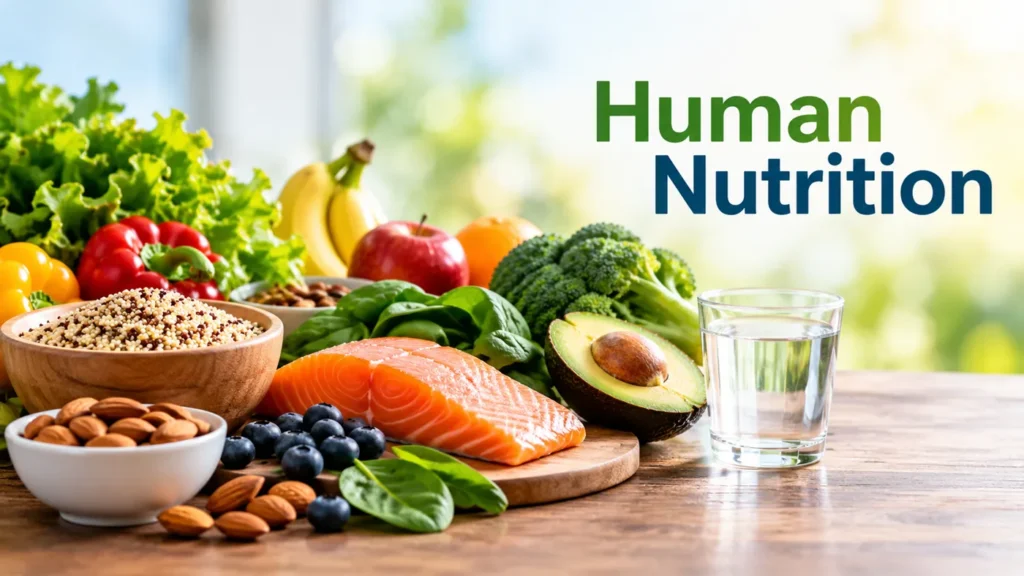
The process of human nutrition involves the way the human body gets and makes use of the nutrients found in food in order to stay healthy, promote growth, and carry out its vital functions. A nutritious diet supplies the energy needed for everyday activities, boosts the immune system, aids brain function, and assists the body in repairing damaged tissues. It is important to have good nutrition at all stages of life, from infancy through to old age.
In the fast-paced world we now live in, unhealthy eating patterns, greater intake of processed foods, and a lack of knowledge regarding balanced diets have become major issues. If people understand human nutrition, they will be able to make better choices about the food they eat, avoid nutritional deficiencies, and maintain their general well-being.
What is Human Nutrition?
The study of human nutrition involves the body taking in, absorbing, and making use of nutrients, which are acquired from a variety of food sources such as fruits, vegetables, cereals, pulses, dairy products, eggs, meat, nuts, and seeds.
The body needs various nutrients in the right amounts in order to function efficiently; some of these nutrients provide energy while others are responsible for growth, the regulation of bodily processes, and the maintenance of healthy bones, muscles, and organs.
Human nutrition involves not only the types of food people consume but also their dietary habits, food quality, nutritional requirements, and ability to absorb nutrients.
Essential Nutrients Required by the Human Body
The human body requires six major categories of nutrients to maintain good health.
Carbohydrates
Carbohydrates are the main source of energy for the body; they supply the fuel needed for physical activity and also aid in supporting normal brain function. Among the common sources are rice, wheat, oats, potatoes, fruits, and other grains.
Whole grains, fruits, and vegetables are especially advantageous since they also contain dietary fiber, vitamins, and minerals.
Proteins
Proteins are necessary for growth, for the repair of tissues, for the development of muscle, and for the production of enzymes and hormones; they also have a role in immune function.
Pulses, lentils, beans, soybeans, milk, yogurt, eggs, fish, and lean meat are all good sources of protein, and it is important to include an adequate amount of protein in the meals of children, adolescents, adults, and older people.
Fats
Fats supply a concentrated form of energy, assist the body in absorbing vitamins A, D, E, and K, and also help to support cell structure and hormone production.
Nuts, seeds, avocados, and vegetable oils are all good sources of fat. Rather than consuming large quantities of saturated fats, unsaturated fats are usually better, and trans fats should be avoided as much as possible.
Vitamins
Vitamins are micronutrients which are necessary for a number of body functions, such as immunity, vision, metabolism, and the maintenance of healthy bones.
For instance, vitamin A is helpful for vision, vitamin C plays a role in tissue repair and immune function, vitamin D aids the body in absorbing calcium, and the B vitamins assist in energy metabolism.
Fruits, vegetables, whole grains, dairy products, and other foods high in nutrients contain different vitamins. Eating a wide variety of foods helps to lower the chance of vitamin deficiencies.
Minerals
Minerals are necessary for healthy bones, for the formation of blood, for the proper working of the nerves, and for maintaining fluid balance.
Calcium helps to maintain strong bones and teeth; iron is necessary for the production of hemoglobin; potassium plays a role in normal muscle and nerve function, and zinc is involved in immune function and in the healing of wounds.
The sources are leafy green vegetables, pulses, dairy products, nuts, seeds, whole grains, and foods of animal origin.
Water
Water is a necessity for life and has a significant role in the regulation of body temperature, in the transport of nutrients, in the removal of waste, and in keeping bodily functions at a normal level.
The amount of water needed by the body depends on a person’s age, activity level, the climate, and their health conditions. It is helpful to drink water regularly and to eat foods that contain a lot of water.
Importance of a Balanced Diet
A balanced diet provides the nutrients and energy the body needs in appropriate proportions. It includes a variety of foods from different food groups rather than relying heavily on a single type of food.
The major benefits of a balanced diet include:
Strengthens Immunity
Essential nutrients support the body’s natural defense mechanisms.
Maintains Energy Levels
Carbohydrates, fats, and proteins all help the body meet its energy needs.
Promotes Healthy Digestion
Dietary fibre helps to maintain regular bowel movements and promotes digestive health.
Supports Brain Functions
Nutrients have a role in helping to maintain memory, concentration, and normal nervous system function.
Reduces the Risk of Certain Diseases
Healthy dietary patterns can help lower the risk of conditions such as type 2 diabetes, cardiovascular disease, and some forms of malnutrition.
Supports Growth and Development
Adequate nutrition helps children grow and supports the development of muscles, bones, and organs.
A balanced diet should be adapted to an individual’s age, lifestyle, cultural preferences, health conditions, and nutritional needs.
Factors Affecting Human Nutrition
Several factors influence the quality of a person’s diet and their ability to obtain adequate nutrition.
Economic Conditions
Household income affects access to a variety of nutritious foods. Food insecurity can make it difficult to maintain a balanced diet.
Food Availability
Seasonal variations, geographical conditions, transportation, and agricultural production influence the availability of fresh and nutritious foods.
Lifestyle and Eating Habits
Eating at irregular times, consuming large amounts of highly processed foods, and having a low level of physical activity can all have an effect on general health.
Cultural and Social Influences
Dietary choices are influenced by traditional food practices, family preferences, religious customs, and social environments.
Health Conditions
Certain diseases, disorders of the digestive system, drugs, and difficulties in absorbing nutrients can have an effect on nutritional needs.
Nutrition Awareness
Information on food labels, portion sizes, how food is prepared, and the essential nutrients enables people to make healthier dietary choices.
Human Nutrition and Public Health
Human nutrition plays a significant role in public health because inadequate or imbalanced diets can affect individuals, families, and communities.
Malnutrition includes undernutrition, micronutrient deficiencies, and overweight or obesity. These conditions can occur in different populations and may sometimes exist within the same household or community.
Children who are not given proper nutrition might see their growth and development hindered. Iron deficiency can lead to anemia, and if the intake of calcium and vitamin D is inadequate, this can have an effect on bone health. On the other hand, diets containing a lot of salt, unhealthy fats, and added sugars can raise the risk of chronic diseases.
Better public nutrition can only be achieved through concerted action by governments, healthcare professionals, educational institutions, farmers, and communities. Nutritional education, maternal and child health services, food fortification, school meal schemes, and better access to cheap and nutritious foods are all ways of improving nutritional outcomes.
In India, various programs such as the POSHAN Abhiyaan and the Integrated Child Development Services have aimed at raising awareness of nutrition and meeting the nutritional needs of women and children.
Tips for Maintaining Good Nutrition
You don’t have to eat expensive food or follow complicated meal plans in order to develop good eating habits. Just sticking to simple dietary practices can make a real difference.
- Eat a variety of fruits and vegetables to obtain different vitamins, minerals, and antioxidants.
- Include protein-rich foods such as pulses, beans, dairy products, eggs, or other suitable sources in daily meals.
- Make it a habit to select whole grains and other foods high in fiber.
- Cut down on the consumption of sugary drinks, highly processed snacks, and foods that are high in salt.
- Make sure to drink plenty of water during the day.
- Stick to meal times that are in keeping with your personal requirements and way of life.
- Follow safe food preparation, storage, and hygiene practices.
- Avoid taking vitamin or mineral supplements unnecessarily without appropriate professional advice.
- People with specific medical conditions or nutritional deficiencies may require individualized dietary guidance from a qualified healthcare professional.
FAQs about Human Nutrition
Human nutrition is essential for keeping healthy, for promoting growth, and for enhancing the quality of life. In order to produce energy, repair tissues, regulate important bodily processes, and guard against nutritional deficiencies, the body needs a range of nutrients. Significant benefits for both physical and mental well-being can result from having a balanced diet, drinking enough fluids, and following good eating habits.
Better nutrition also requires broader actions to make sure that healthy foods are accessible, affordable, and available to all sections of society. When individuals and communities become more aware of nutrition and choose healthier foods, they will be helping to ensure a healthier and more sustainable future.