Ensuring Safe and Healthy Food for Everyone
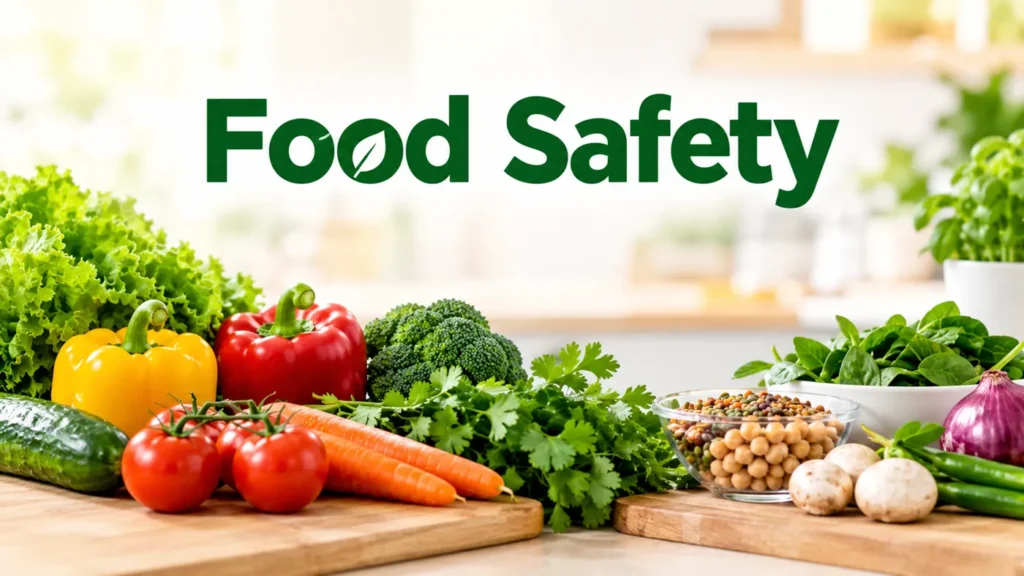
Food Safety is an essential part of maintaining good health and preventing foodborne illnesses. It refers to the proper handling, preparation, storage, and transportation of food to ensure that it is safe for human consumption. Unsafe food can contain harmful bacteria, viruses, parasites, or chemical substances that may cause illness. As food production and distribution systems continue to expand, maintaining food safety has become increasingly important for consumers, farmers, food manufacturers, and governments.
What is Food Safety?
Food safety involves practices and measures designed to prevent food contamination at every stage of the food supply chain, from production and harvesting to processing, packaging, transportation, and consumption. Its primary objective is to ensure that food remains safe, nutritious, and suitable for consumption.
Food can become contaminated as a result of poor hygiene, use of polluted water, contact with contaminated soil, unsafe methods of handling it, or because of unsuitable storage conditions. It is therefore necessary for food safety to involve collaboration between food producers, retailers, regulatory authorities, and consumers.
Types of Food Contamination
Food contamination can occur in several ways, affecting the quality and safety of food products.
- Biological Contamination: This occurs when harmful microorganisms, such as bacteria, viruses, and parasites, enter food. Contaminated meat, unwashed vegetables, unsafe drinking water, and improperly cooked meals can spread foodborne diseases.
- Chemical Contamination: can occur when chemical substances such as pesticide residues, cleaning agents, heavy metals, and some food additives are used incorrectly; the contaminated food then presents a health risk.
- Physical Contamination: refers to foreign materials such as glass fragments, metal pieces, plastic, hair, or stones getting into food during the processes of production, processing, or preparation.
- Cross-Contamination: This happens when harmful micro-organisms or other contaminants are transferred from one food item, surface, utensil, or a person’s hands to another. For instance, if the same cutting board is used for both raw meat and fresh vegetables without being properly cleaned, dangerous bacteria can be spread.
Importance of Food Safety
Food safety plays a significant role in protecting public health and supporting a reliable food supply.
Prevents Foodborne Illnesses
Handling food in a safe way lowers the chance of getting infections, food poisoning, and other health problems.
Protects Vulnerable Populations
People who are children, older, pregnant, or have a weakened immune system could be at a higher risk from food that has become contaminated.
Maintains Food Quality
Storing and handling foods properly helps to keep them fresh, nutritious, tasty, and in their proper texture.
Reduces Food Waste
Correct refrigeration, proper storage, and good hygiene procedures can prevent food from going bad too early and having to be discarded unnecessarily.
Builds Consumer Confidence
Food safety standards enable consumers to place trust in the food products and the companies that supply them.
Supports Economic Development
Safe food production helps farmers, food processors, retailers, and exporters meet quality requirements and maintain market access.
Essential Food Safety Practices
Food safety can be improved through simple but effective measures at home, on farms, and in commercial food establishments.
Maintain Personal Hygiene
Hands should be washed thoroughly with soap and clean water before preparing food, after handling raw meat, and after using the toilet. Food handlers should also keep utensils, work surfaces, and preparation areas clean.
Cook Food Thoroughly
Meat, poultry, seafood, eggs, and other foods that require cooking should be prepared at appropriate temperatures. Thorough cooking helps destroy harmful microorganisms.
Store Food Properly
Perishable foods should be refrigerated promptly, while dry foods should be kept in clean, dry, pest-free places. Raw and cooked foods should be stored separately to reduce contamination risks.
Use Safe Water and Raw Materials
Clean water, fresh ingredients, and food obtained from reliable sources are essential for safe food preparation. Fruits and vegetables should be washed thoroughly under safe running water.
Prevent Cross-Contamination
Separate cutting boards and utensils should be used for raw and ready-to-eat foods whenever possible. Food preparation surfaces should be cleaned and sanitized appropriately.
Check Food Labels and Expiry Information
Look at the food labels and check the expiry information: Consumers should look at the packaging, the list of ingredients, the storage instructions, and the use-by dates if they are available. Packages that are damaged, leaking, swollen, or not properly sealed should be avoided.
Handle Leftovers Safely
Cooked food should not be left at room temperature for extended periods. Refrigerate leftovers promptly in covered containers and reheat them thoroughly before consumption.
Role of Food Safety in Agriculture and the Food Industry
Food safety starts well before the food gets to the kitchen. The way agriculture is carried out has a direct effect on the quality and safety of food products. Farmers can lower the chances of contamination by using clean irrigation water, applying pesticides responsibly, dealing with animal waste properly, and following hygienic practices during harvesting and handling.
The food processing industry is required to adhere to standard hygiene procedures, to check the raw materials, to keep an eye on the conditions during processing, and to ensure that the packaging and storage systems are suitable. Transportation companies also have an important role to play since it is necessary for them to keep the appropriate temperatures and to prevent contamination throughout distribution.
In India, the Food Safety and Standards Authority of India (FSSAI) establishes food safety standards and is responsible for keeping an eye on food businesses in accordance with the Food Safety and Standards Act of 2006. In order to protect consumers, food businesses must comply with the appropriate licensing, hygiene, and food safety regulations.
Challenges in Maintaining Food Safety
The difficulties involved in ensuring food safety involve poor sanitation facilities, unsafe sources of water, incorrect methods of storing food, a lack of knowledge regarding hygiene, the improper use of pesticides, and insufficient monitoring at various stages of the supply chain. Climate change may also have an effect on food safety by increasing the likelihood of risks linked to heat, flooding, water contamination, and the growth of harmful microorganisms. Furthermore, since street food markets are expanding, online food delivery is becoming more common, and long-distance food transport is increasing, there is a need for consistent safety measures in different settings.
To meet these challenges, it is necessary to have public awareness, have effective regulation, invest in food storage infrastructure, carry out regular inspections, and provide training for food handlers.
FAQs about Food Safety
Food safety is something that everyone is responsible for, and attention must be paid at all stages of the food supply chain. Whether it is farmers and food manufacturers or retailers and individual household consumers, each person has a part to play in avoiding contamination and in safeguarding public health. The risk of foodborne diseases can be greatly reduced by following good hygiene practices, cooking food properly, storing it in the right way, and using safe ingredients. If society increases its awareness of food safety and implements the correct standards, it will be able to create a food system that is healthier, safer, and more sustainable.